
Paid Media
Why Busy Google Ads Accounts Still Produce Weak Pipeline.
- Written by
- Parag Masteh, Founder, Mplan
- Published
- Updated
A busy Google Ads account produces weak pipeline when it optimizes for easy actions instead of buying interest. High clicks and form volume can hide irrelevant queries, weak conversion definitions, and a landing path that fails sales. Activity is not demand quality.
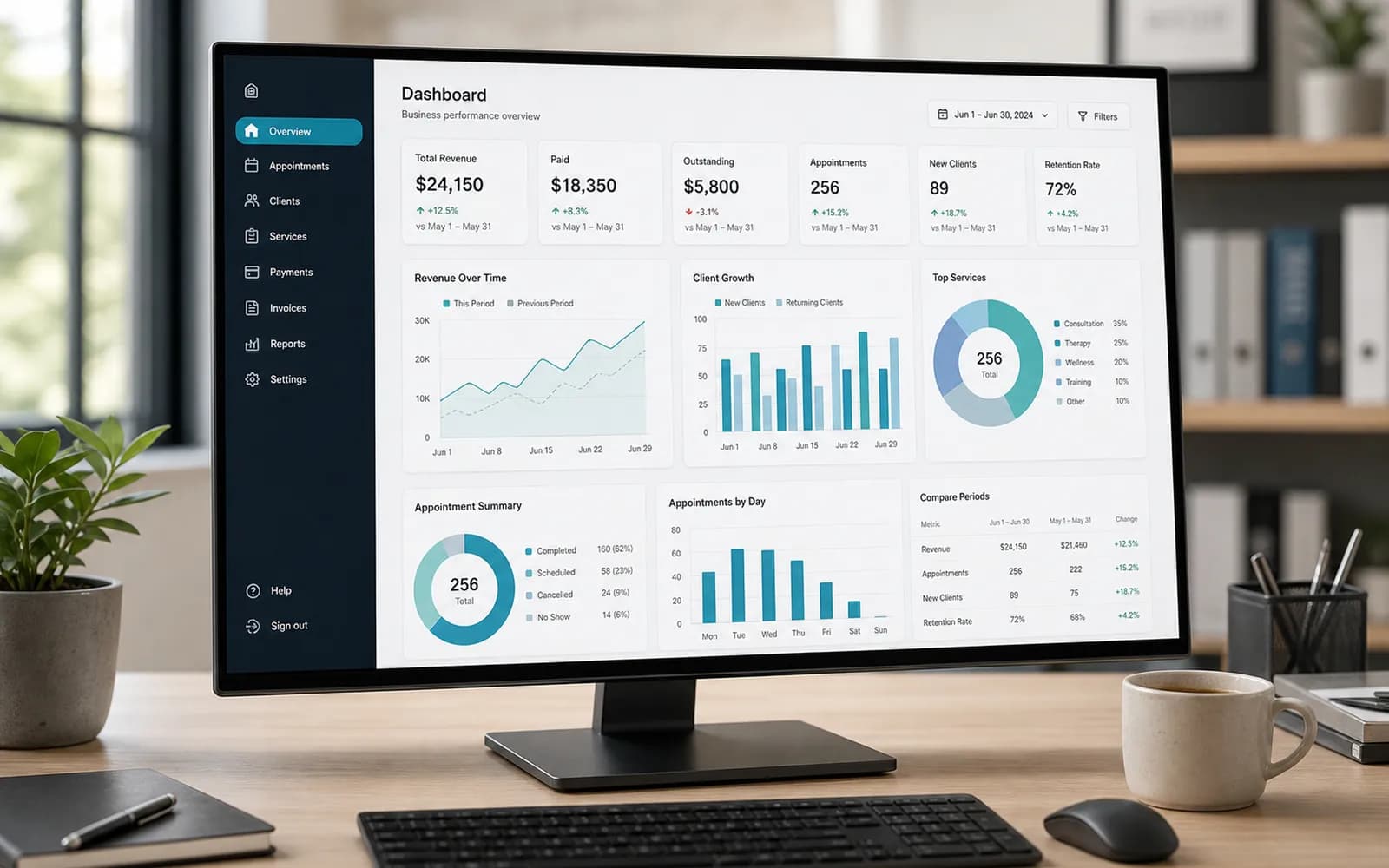
The dashboard looks healthy. Spend is smooth. CTR is fine. CPL is “acceptable.” Sales still says the meetings are junk. That gap is not mysterious. The account is winning the wrong game.
Failure modes to inspect
The conversion is too easy
If Smart Bidding is trained on newsletter signups, content downloads, or any micro-conversion with weak commercial meaning, the system will find more of that cheap behavior. It is doing its job. You trained it badly.
Fix: define a primary conversion sales will defend. Secondary conversions can inform, not steer, until quality is proven.
Query quality is diluted
Broad match and automation expand reach into adjacent language. Some of that is useful. Much of it is noise: free tools, jobs, definitions, competitors’ brand misspellings, and research with no purchase path.
Fix: read search terms against the qualification definition. Cut themes that repeatedly fail to produce accepted conversations. Do not judge only on CPA when sales never wanted those people.
The ad and the page disagree
A tight commercial query landing on a generic homepage is a paid detour. The buyer paid attention once. You spent it on navigation.
Fix: one clear argument from headline to form. Match the decision the query implies. If you cannot build that page, pause the theme.
A diagnostic before the next budget decision
- Rank converting queries by spend and mark fit, uncertain, or irrelevant with sales.
- For each irrelevant query, check whether the conversion could occur without commercial intent.
- Sample recent form submissions against the written qualified-conversation standard.
- Open the highest-spend ads beside their landing pages and record every promise mismatch.
- Choose the smallest change that can isolate the main failure: signal, query fence, or landing path.
Busy is a delivery state. Useful is a commercial state. Only the second pays for the account.
What this diagnostic cannot fix
This diagnostic will not invent search volume. It will not fix an offer nobody wants. It will stop you from calling a noisy account successful because the graphs are green.
What “good busy” looks like
Spend concentrates on themes that produce accepted conversations. Automation has a meaningful learning signal. Brand and non-brand are reported separately. Landing pages continue the ad’s promise. Reporting includes sales feedback as well as auction evidence.
If that description feels foreign, the account is optimized for motion.
Questions, answered
Should we turn off automated bidding?
Not automatically. First fix the conversion signal and query fence. Automation on a bad objective makes the problem faster. Automation on a clean objective can help. Sequence matters.
Is brand search “fake” pipeline?
Brand search often captures demand created elsewhere. Report it separately. It can be valuable and still not prove non-brand programs are working.
How long before we judge a rebuild?
Wait until the new signal has enough clean observations and sales has scored a meaningful sample. Define that threshold before the rebuild instead of judging a few early CPA readings.
What if sales will not score leads?
Then you lack a commercial feedback loop. Pause scale until a written acceptance definition exists. Otherwise Google will optimize for what you can count, not what you can sell.