
B2B Demand Generation
Buying Groups: One Account Argument, Unfolded by Role.
- Written by
- Parag Masteh, Founder, Mplan
- Published
- Updated
A company does not buy. People inside it evaluate, use, fund and block. Buying-group work names the roles that matter for this purchase, researches the question each role is likely to carry, and unfolds one account argument by role. Personalization that only changes the company name changes the surface, never the reason to pay attention.
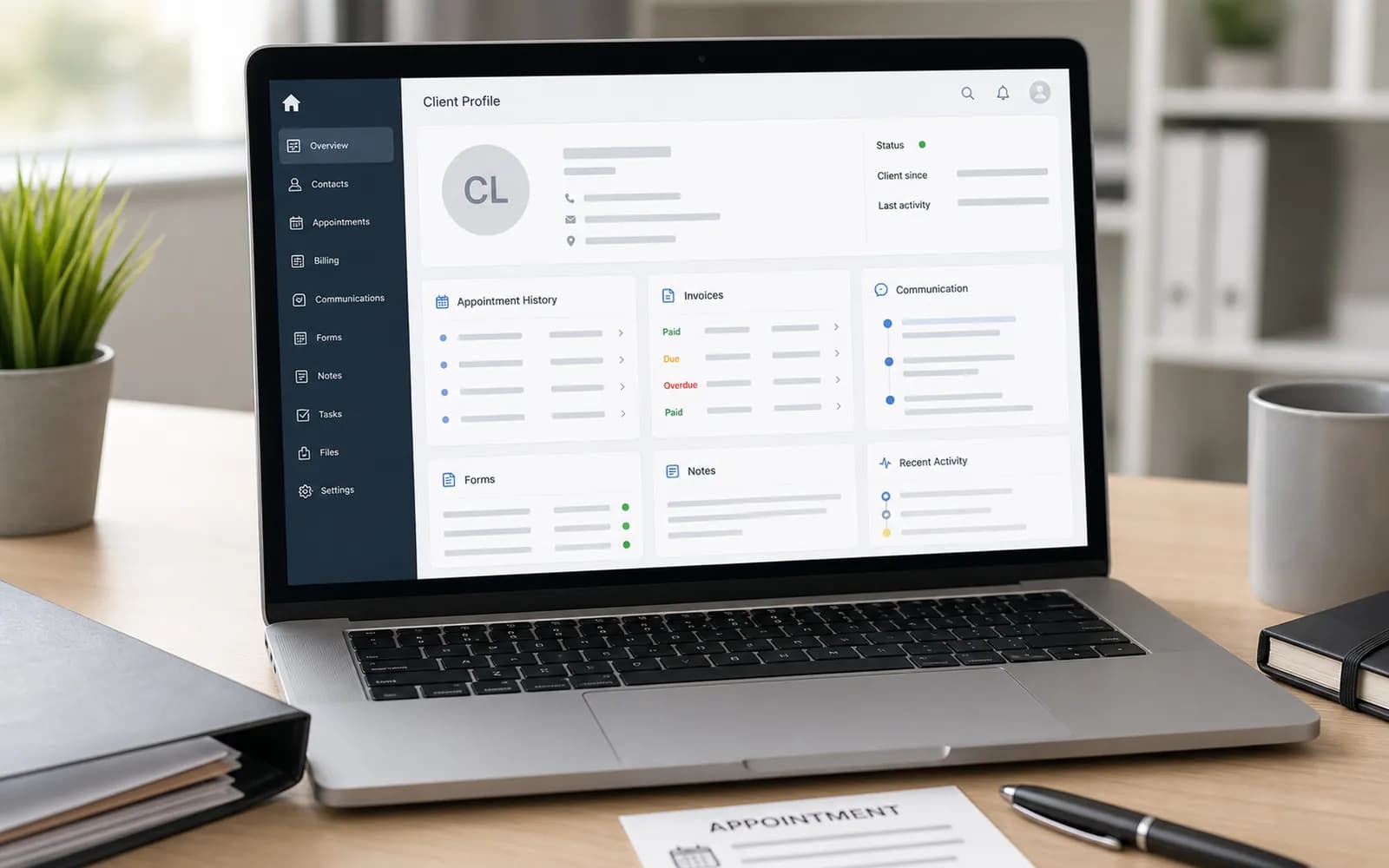
Most account plans stop at the logo and a job title. The deal then stalls on a person who was never in the plan: the finance lead who has to find the budget, or the operator who has to live with the change.
Why does a company not buy, and who inside it does?
Because a purchase is a set of decisions made by different people with different stakes. The evaluator asks whether it works. The user asks what changes on Monday. The sponsor asks what it does for the number they own. The finance lead asks what it costs and what it replaces. The blocker asks what could go wrong and who gets blamed. One message cannot answer five questions at once, and a generic message answers none of them.
Which roles matter for this purchase, and what question does each carry?
Name the roles for this specific purchase. A generic committee is a hypothesis. For most mid-market B2B purchases the useful starting set is short.
- The sponsor: owns the outcome the purchase is meant to move. Question: what does this do for the result I am measured on?
- The evaluator: tests whether it works and fits what exists. Question: what breaks, and what proof would convince me?
- The user: lives with the change. Question: what happens to my week?
- The funder: finds and defends the budget. Question: what does it cost, what does it replace, and when does it pay?
- The blocker: protects against risk. Question: what could go wrong, and who has done this before?
A generic buying-group diagram is a hypothesis. The account-based marketing service treats it as research to be done per account, and so should you.
How do you research a buying group without a generic diagram?
Start from public evidence: who spoke at the industry event, who posted about the operating problem, who was hired into the function this year, what the annual report says the company is trying to change. Then confirm the map through the conversations sales already has. Record what each role has said or shown, and date it. Where a role is invisible, say so in the plan. An unfilled role is a research task, not a reason to guess.
How does one account argument unfold by role without becoming four pitches?
The argument stays fixed: the problem, the stance, the proof cue and the next step are the same for the whole account. What changes is the implication for each role. The sponsor hears the outcome. The evaluator hears the mechanism and the proof. The user hears the change in their week. The funder hears the replacement math. Four readers, one argument. This is the same discipline the creative team applies across channels in adapt one argument across search, social and video, turned inward on an account.
Personalization must add meaning. An accurate operating condition, a role-specific implication or permissioned proof changes the reason to pay attention. Inserting a company name into a generic sentence does not.
A hypothetical: one argument, four readers
Picture a hypothetical regional hospital group evaluating scheduling software. The argument: unplanned overtime is a rostering problem, and rosters built from real demand cut it. For the chief operating officer, the message opens with the overtime line in the last annual report. For the head of nursing, it opens with what a Tuesday roster looks like when it is built from admissions rather than habit. For the IT lead, it opens with the integration the current system already exposes. For the finance director, it opens with what the group spends on agency staff to cover the gaps.
Same problem, same stance, same proof, same next step. Four different first sentences, each one the reader could check. Then LinkedIn Ads carry the shared proof to the roles the sales team cannot reach directly, and outbound carries the role-specific opener to the ones it can.
How do you know the buying group is actually reached?
Report at the account: which roles engaged, whether the account multi-threaded, and whether sales used the context. Two roles engaged on one account is progress. Two hundred clicks from unknown people is not. Campaign metrics stay visible as cost and delivery checks. The tiering decision behind that report is worked through in how to tier without fake scores.
What role research cannot tell you
It cannot tell you that a person will act, that the budget exists this year, or that the blocker will be persuaded. It tells you who to write for and what they are likely to ask. If the account is not worth that research, the honest conclusion is in when ABM is the wrong motion.
Questions, answered
How many roles should an account plan name?
As many as the purchase actually involves, which is usually three to five. Naming a role you cannot research or reach is a wish, not a plan.
Is a job title the same as a role in the buying group?
No. The title is where you start looking. The role is what the person does in this decision, which two people with the same title can play differently.
Can intent data map the buying group for us?
It can hint that someone at the account is researching a topic. It cannot tell you who, or what question they carry. Treat it as a pointer for research, never as the map.
What if the blocker is invisible?
Say so in the plan and make finding them a research task. Most stalled deals stall on the role nobody named. Ask sales who has killed similar deals before.